
Fix, Share, Save: A Practical Journey Across the UK
Across Britain’s kitchens, sheds, and high streets, small decisions to borrow, mend, and maintain add up. Today we explore “Measuring the Impact of Sharing and Repair in the UK: Carbon and Cost Savings for Households,” translating that focus into everyday actions you can quantify. You’ll learn simple methods, honest assumptions, and practical examples for tracking avoided emissions and pounds saved, from library‑of‑things loans to do‑it‑yourself fixes. Join in, compare notes, and help turn everyday choices into measurable climate action and real budget relief.
Where the Real Reductions Happen
Most household gains come from avoiding new production, transport, and disposal when an existing product is shared or repaired instead of replaced. Think of seldom‑used tools, seasonal gear, small appliances, and clothing. When they circulate longer, the embodied emissions already invested work harder, and your cash stretches further. We break down which everyday actions deliver outsized impact, why frequency of use matters, and how a few well‑timed fixes can shift both footprints and monthly budgets meaningfully.

How to Measure Carbon Reductions at Home
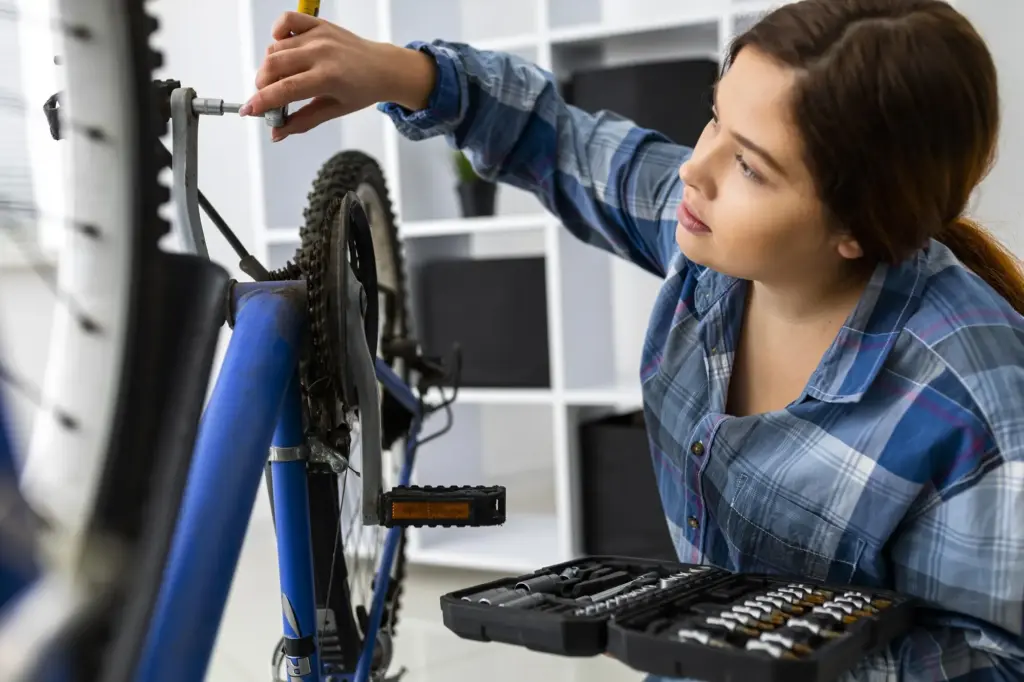
Measurement becomes motivating when methods are simple and transparent. Start by listing items you would otherwise buy, then record when you borrow or repair instead. Use reputable lifecycle data for approximate embodied emissions, apply conservative assumptions, and document uncertainties. With a spreadsheet or notes app, you can turn quick observations into month‑by‑month estimates that build confidence, reveal patterns, and guide smarter decisions on what to maintain, share, or replace.
Money in Your Pocket: Budget Outcomes
While carbon drives purpose, money often drives action. By swapping purchases for borrowing passes, repair cafés, or trusted technicians, households can smooth expenses and avoid big outlays. We model typical UK scenarios to illustrate cashflows, showing membership fees, parts costs, and replacement deferrals across months. The numbers rarely require perfection; even cautious assumptions reveal durable savings that survive sales seasons, marketing pressure, and the occasional impulse buy.
The Drill That Renovated Five Homes
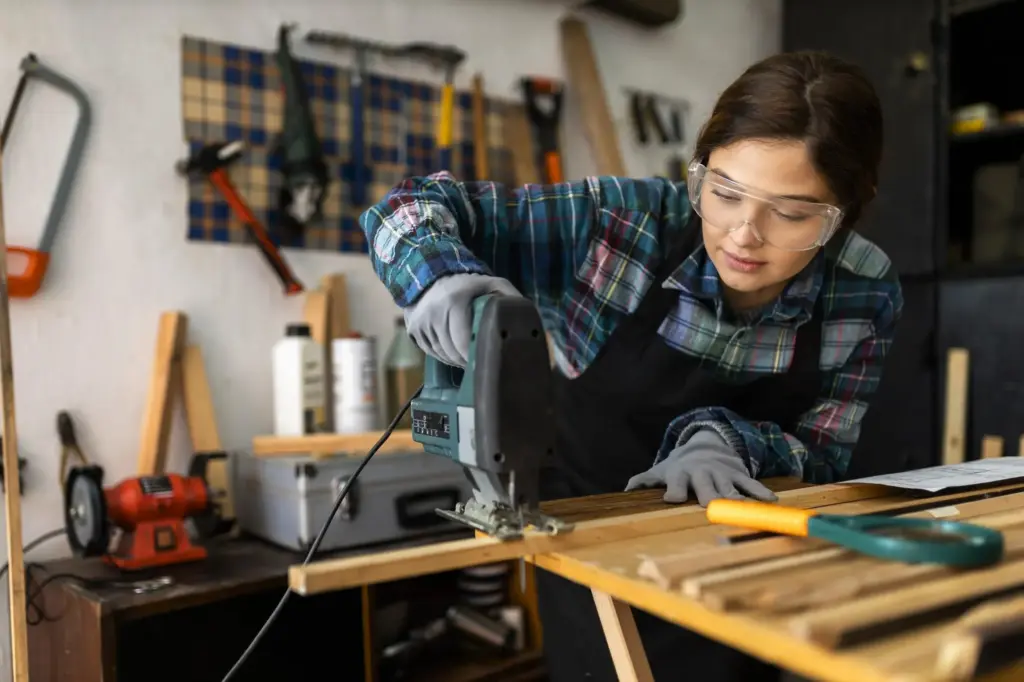
One corded drill rotated between flats during a summer of renovations. Borrowers logged bookings, bought a shared set of bits, and posted tips about brick dust and anchors. Across five projects, only one machine sufficed, sidestepping multiple purchases, catalysing friendships, and giving first‑timers the confidence to tackle tasks they had delayed, with photos proving both savings and delight.
A Kettle, a Fuse, and a Cup of Tea
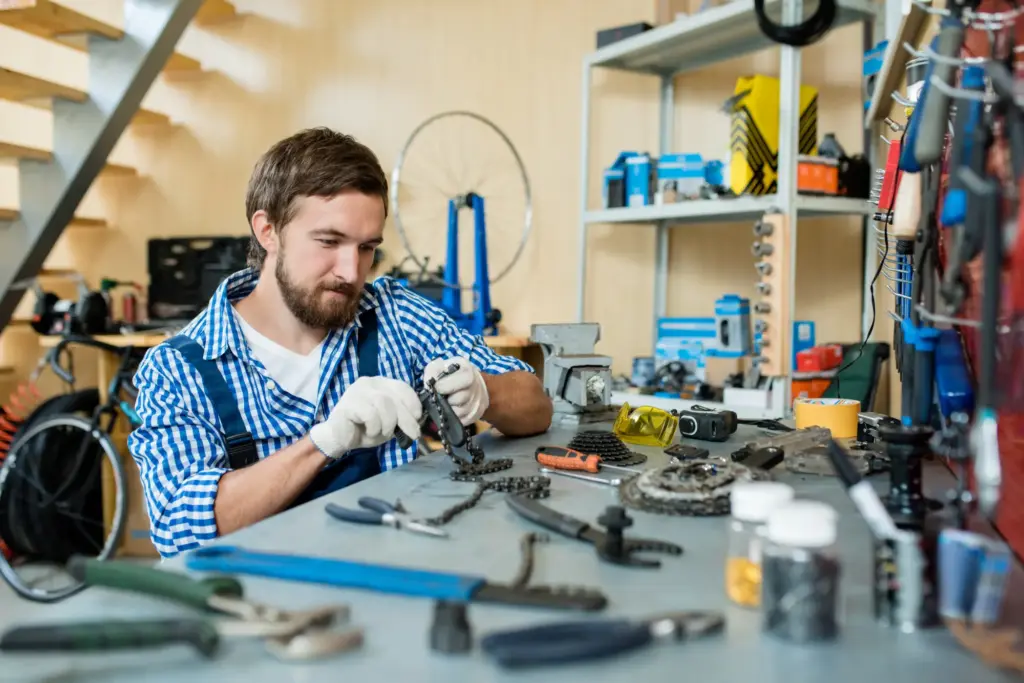
When a trusted volunteer replaced a cheap blown fuse in an elderly neighbour’s kettle, the fix cost pennies and minutes. Together they checked the plug, tested safely, and shared tea afterward. The repaired kettle boiled for months more, averting another appliance purchase and creating a story that convinced others to bring small problems to the next community session.
The Coat that Learned New Tricks
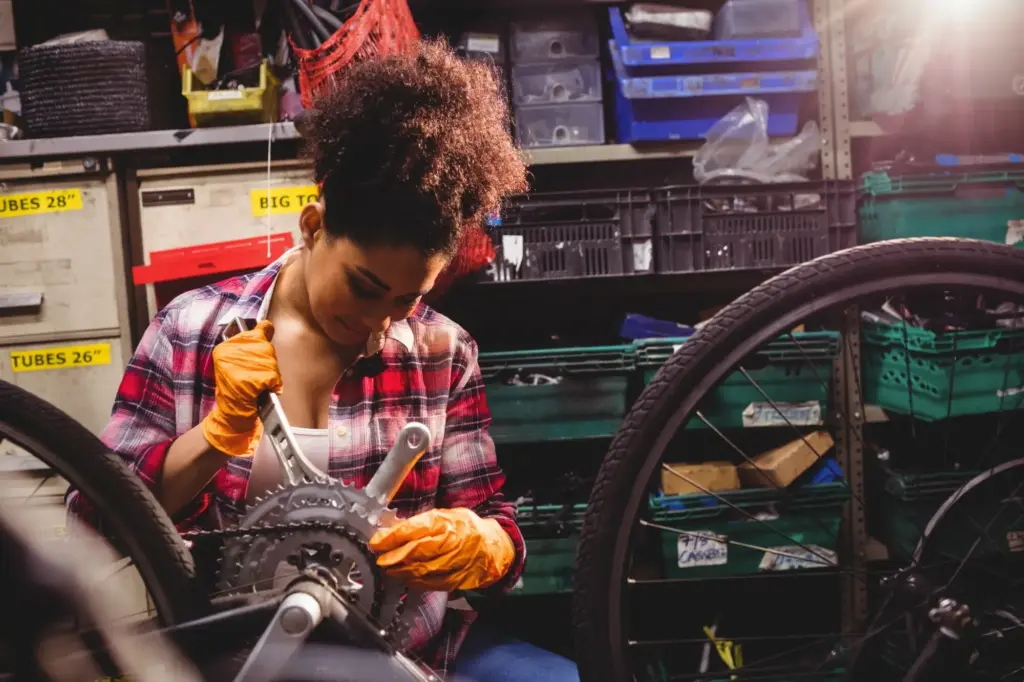
A winter coat with a torn lining and missing button looked finished. At a swap‑and‑sew evening, someone replaced the lining from a remnant, stitched the button, and added reflective tape for cycling. The owner regained warmth and safety, avoided a costly replacement, and inspired attendees to plan a dedicated mending corner with spare zips, threads, and friendly guidance.
Right to Repair Momentum
Minimum standards for access to spares and repair information, inspired by ecodesign policies, are nudging manufacturers toward longer‑lived products. While not perfect, these measures reduce premature obsolescence, support independent technicians, and make community repair safer. Households benefit when manuals, parts, and torque specs are available, turning risky guesses into confident, documented fixes completed at reasonable cost.
Community Hubs and Tool Libraries
Councils, charities, and social enterprises collaborate to host lending collections, fix‑it events, and learning workshops. Transparent pricing, safety checks, and repair triage build trust, while basic data collection demonstrates results to funders. When hubs map demand and share inventories, households find what they need quickly, waste less, and see their contributions reflected in public dashboards and cheerful noticeboards.
Data Sources You Can Trust
Use UK‑relevant figures from WRAP, DEFRA, and the Department for Energy Security and Net Zero. Supplement with reputable lifecycle databases, transparent manufacturer disclosures, and peer‑reviewed studies. When uncertainties remain, choose conservative values, state assumptions, and update as evidence improves. Credible inputs make your household calculations persuasive, portable, and easy to compare across years or with neighbouring communities.
Your Turn: Track, Share, and Celebrate
You are the expert in your home. Start with one borrow or one fix, record what changed, and revisit your notes monthly. Post before‑and‑after photos, receipts, and quick carbon estimates. Ask questions in the comments, subscribe for fresh measurement guides, and invite friends to join. The more stories and data we collect, the stronger and more practical our collective impact becomes.

A Simple Weekly Tracking Ritual
Every Sunday, spend ten minutes updating a lightweight log: what you borrowed, what you repaired, money spent or avoided, and a conservative carbon estimate. Tag items with photos and suppliers. Over time you will spot patterns, schedule preventative care, and forecast future needs instead of reacting to sudden breakages or persuasive discount emails.
Join the Conversation
Comment with your greatest save, toughest repair, or biggest surprise. Ask for data help, offer spare parts, or invite neighbours to the next session. Subscribe for case studies, templates, and honest reflections from practitioners. Together we can refine methods, compare across regions, and celebrate progress without perfection, keeping momentum joyful, grounded, and measurably effective.
Set a Challenge and Report Back
Pick one month to avoid buying a new gadget or garment by borrowing or repairing instead. Announce your plan publicly, track pounds and kilograms of CO2e avoided, and share results with photos and receipts. Your experiment may inspire others nearby, building a resilient, supportive loop that persists long after the initial challenge ends.
All Rights Reserved.